Soria, cold and extreme
The easternmost part of the DO Ribera del Duero
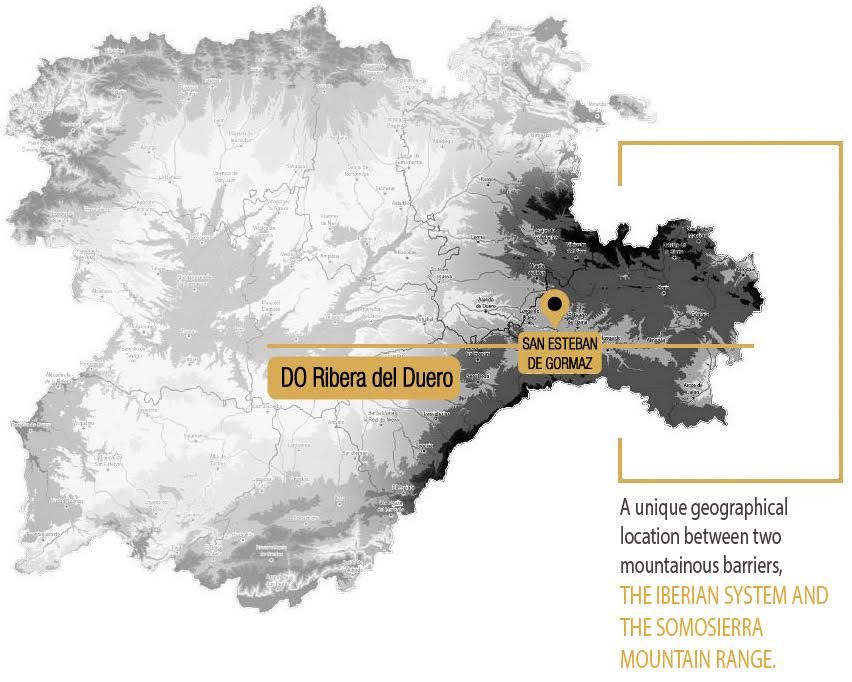
In 1999 Bertrand Sourdais discovered a unique, genuine area within the DO Ribera del Duero, San Esteban de Gormaz, an area that stood out from the land in Burgos and Valladolid belonging to the Designation.
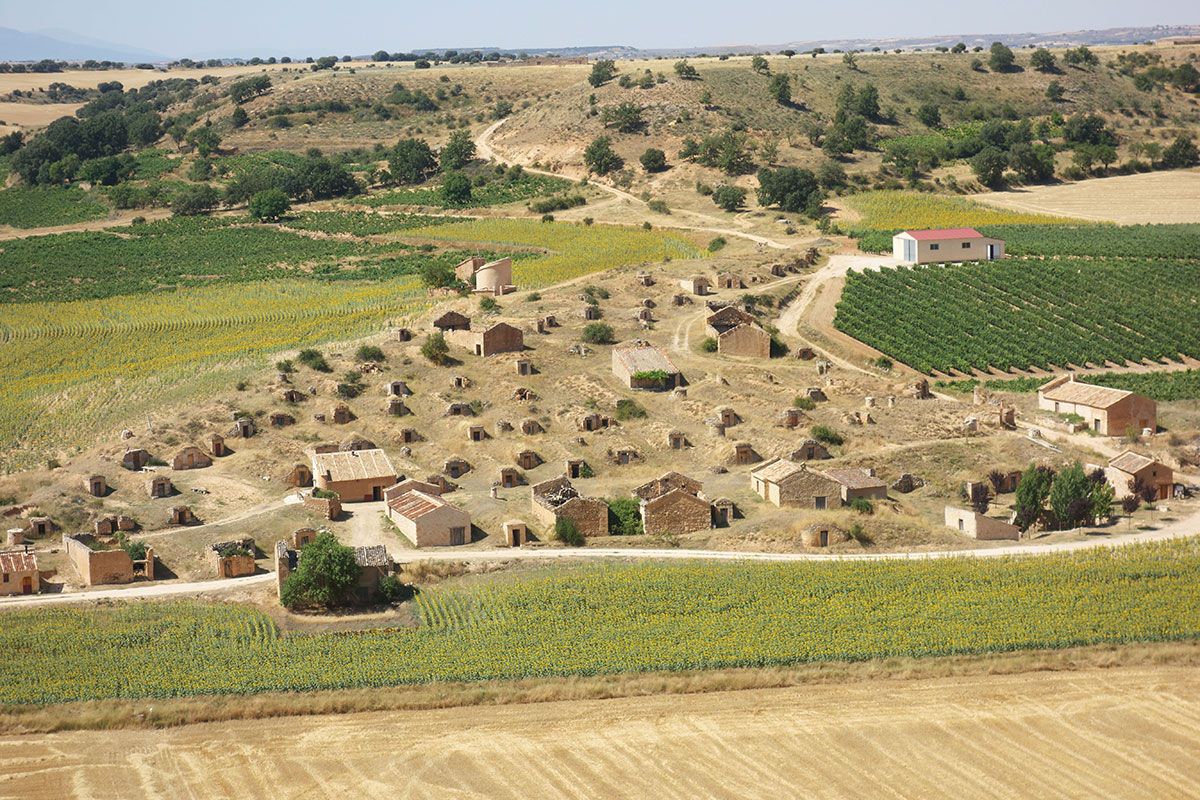
The vineyards in this geography are in the easternmost part, just on the first shores of the Duero river as it passes through the province of Soria. We find ground where calcareous land predominates, with subsoils that follow uneven lines of sand, clay or stones.
The northern crop limit, in any event, is where the Tinto Fino and Albillo will express the essence of their variety.
Here, the river basin of the Duero is influenced by a particular climate that, while cool, is mild enough to make great wines, due to the presence of the mountainous landform of the Iberian system and the Somosierra mountains, which flank the valley.
Altitude
Vineyards between 900 and 1,000 m, at the northern limit of vine growing.
Soils
Calcareous at depth, with sand, clay and pebbles on the surface.
Climate
Cold and continental, softened by the Iberian system and the Somosierra mountains.
Varieties
Tinto Fino (tempranillo) and Albillo in old vineyards.
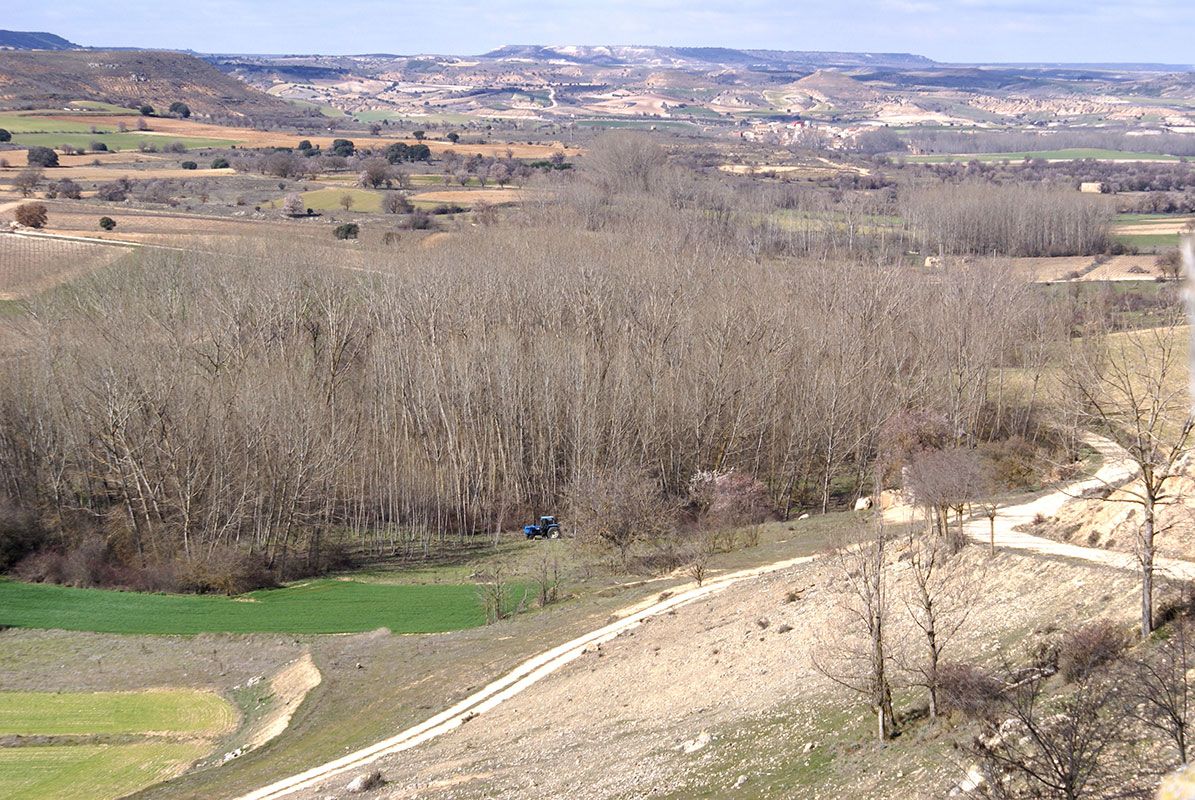
The landscape of the lands of Soria